Recurring cavities
When cavities keep returning despite good effort, saliva chemistry, dry mouth, diet, bacterial patterns, and other risk factors may deserve a closer look.
Saliva Testing · Cedar Park
Saliva testing can add another layer of information when we are trying to understand recurring cavities, gum inflammation, dry mouth, or an oral environment that does not match what we see on the surface.
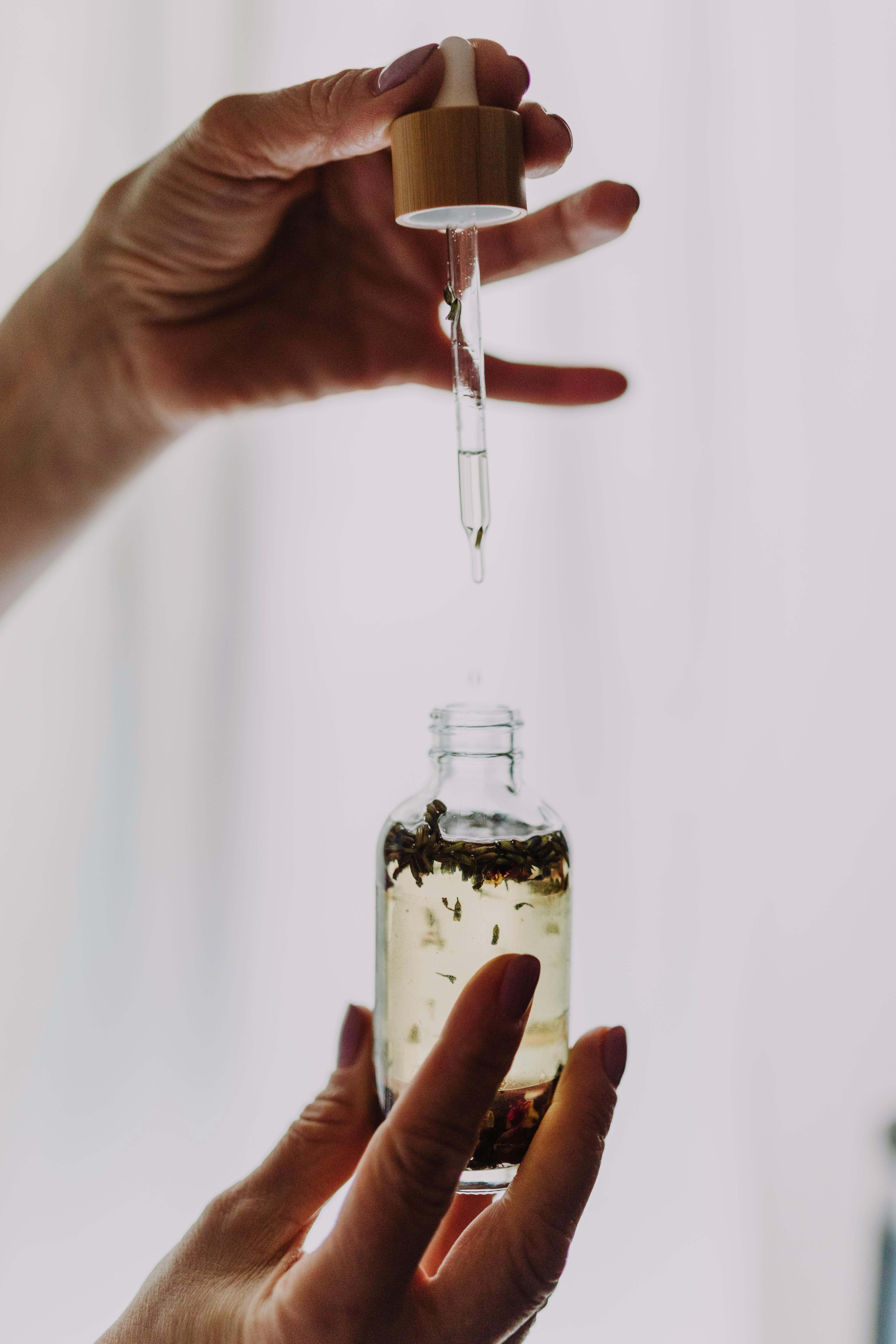
Why test saliva?
Two patients can brush well and still have very different cavity or gum-disease risk. Saliva flow, pH, medications, diet, bacteria, inflammation, and medical factors can all change the oral environment.
Testing is not necessary for everyone. We use it when it may answer a specific question and help us personalize prevention or monitoring.
When it may help
When cavities keep returning despite good effort, saliva chemistry, dry mouth, diet, bacterial patterns, and other risk factors may deserve a closer look.
Persistent inflammation can have several causes. Saliva-based information may be useful as one part of a broader periodontal and risk evaluation.
Low salivary flow can change comfort, cavity risk, pH, and the oral environment. Understanding the pattern helps guide more personalized prevention.
For selected patients, testing can add context beyond a visual exam alone and help us tailor home care, recall intervals, and preventive strategies.
What we may look at
Depending on the test used, saliva analysis may identify selected oral bacteria associated with cavity or periodontal risk.
Saliva quality and acidity can help us think about remineralization, dry mouth, dietary exposure, and cavity risk.
Some tests may include markers associated with oral inflammation. These results are interpreted alongside your exam rather than used as a stand-alone diagnosis.
What to expect
01
We first decide what we are trying to understand—recurring decay, gum inflammation, dry mouth, unusual disease patterns, or prevention risk.
02
When testing is appropriate, saliva collection is simple and non-invasive. The exact preparation depends on the test being used.
03
Results are reviewed alongside your exam, imaging, medical history, medications, diet, hygiene, and other risk factors.
04
The useful part is not the report itself. It is how the information changes what we do next.
Saliva testing FAQ
That depends on the specific test. Saliva testing may provide information about selected bacterial patterns, pH, oral environment, or other markers. We use it as one part of a broader dental evaluation.
No. A laboratory result should be interpreted alongside your clinical exam, imaging, history, symptoms, and other findings.
It may be useful for selected patients with recurring cavities, persistent gum inflammation, dry mouth, unusual disease patterns, or a need for more individualized prevention planning.
Collection is generally simple and non-invasive. The exact method depends on the laboratory or test being used.
Sometimes. The value of testing is whether the result changes prevention, monitoring, home-care recommendations, or another part of your plan.
No. We use it selectively when it is likely to answer a useful clinical question.
Related care
Biofilm-focused preventive care designed around gum health, comfort, and long-term maintenance.
For selected early lesions, catching disease before breakdown may create more conservative treatment options.
Imaging and saliva testing answer different questions—and both should be used only when they add useful information.
Need more answers?
We will first decide whether testing is likely to add useful information for your specific concern.
Book New Patient Exam