Can my tooth be saved instead of getting an implant?
Sometimes. We evaluate restorability, cracks, bone support, infection, symptoms, existing dental work, and long-term prognosis before recommending extraction.
Dental Implants · Cedar Park
The implant is only one part of the result. We start by asking whether the tooth can be saved, then plan the extraction, bone, implant position, material, bite, and final tooth as one connected treatment.
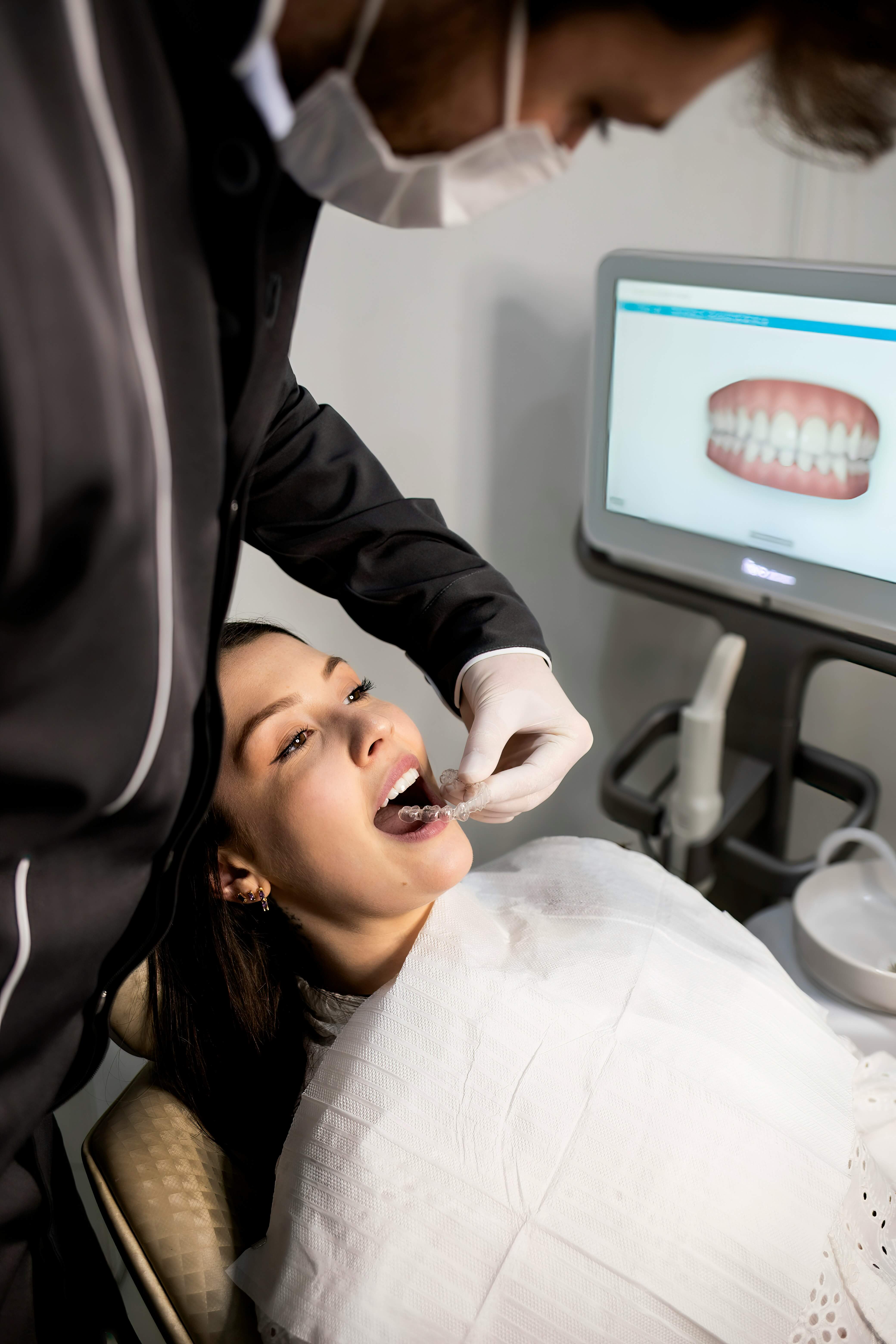
Plan the whole result
The best result depends on more than placing an implant in bone. We plan the extraction or missing-tooth site, tissue, bone, implant position, material, bite, esthetics, cleanability, and final crown as one connected case.
If the tooth is still present, we also confirm whether it can be predictably restored before recommending extraction.
What actually happens
01
Before replacing a tooth, we first evaluate whether preserving it is predictable and appropriate.
02
If extraction is necessary, the goal is to protect the surrounding bone and tissue as much as the situation allows.
03
Bone grafting or other site-development procedures may be recommended when the foundation is not ready for an implant.
04
Imaging helps evaluate bone, anatomy, position, restorative space, and the final tooth before placement.
05
The implant is placed according to the plan, then given the appropriate time to integrate before the final restoration when needed.
06
The final crown is designed for function, cleanability, esthetics, and the way it fits into the rest of your bite.
Titanium
Titanium implants have extensive clinical use and evidence. They remain the standard material for many implant situations.
Zirconia
Zirconia may be considered for selected patients who prefer a metal-free implant. Case selection, anatomy, restorative needs, and available evidence all matter.
Why planning matters
3D imaging and restorative-driven planning when appropriate
Site preservation and grafting only when indicated
Implant material discussion based on your case and preferences
Attention to esthetics, tissue, bite, cleanability, and long-term maintenance
Clear sequencing so you know what happens next and why
Implant FAQ
Sometimes. We evaluate restorability, cracks, bone support, infection, symptoms, existing dental work, and long-term prognosis before recommending extraction.
Rise discusses implant material options when clinically appropriate. Titanium has the longest and broadest clinical history. Zirconia can be considered in selected situations for patients interested in a metal-free option. The best choice depends on anatomy, restorative needs, evidence, and your preferences.
Not everyone does. Bone grafting may be recommended when there is not enough bone volume or when preserving the extraction site can improve future implant positioning.
Local anesthetic is used for surgical treatment, and we review comfort options and post-operative expectations with you. Soreness and swelling vary by procedure and individual healing.
It varies. Some cases are straightforward, while others require extraction healing, bone grafting, or staged treatment. Your timeline is based on the site and the safest sequence for your case.
Sometimes a temporary tooth or immediate restoration is possible, but not every site is appropriate for immediate loading. Stability, bone, bite, esthetics, and healing risk all matter.
The total fee depends on whether the case includes extraction, grafting, implant placement, abutment, final crown, or additional procedures. We review the full sequence and fees before treatment.
Coverage varies by plan. Rise can file claims when applicable and help estimate benefits, but your plan determines coverage and limitations.
Missing tooth or told a tooth cannot be saved?