Smaller areas of decay or damage
Bonded filling
When enough healthy tooth remains, a bonded filling may restore the area without removing more tooth than necessary.
Biomimetic Restorations · Cedar Park
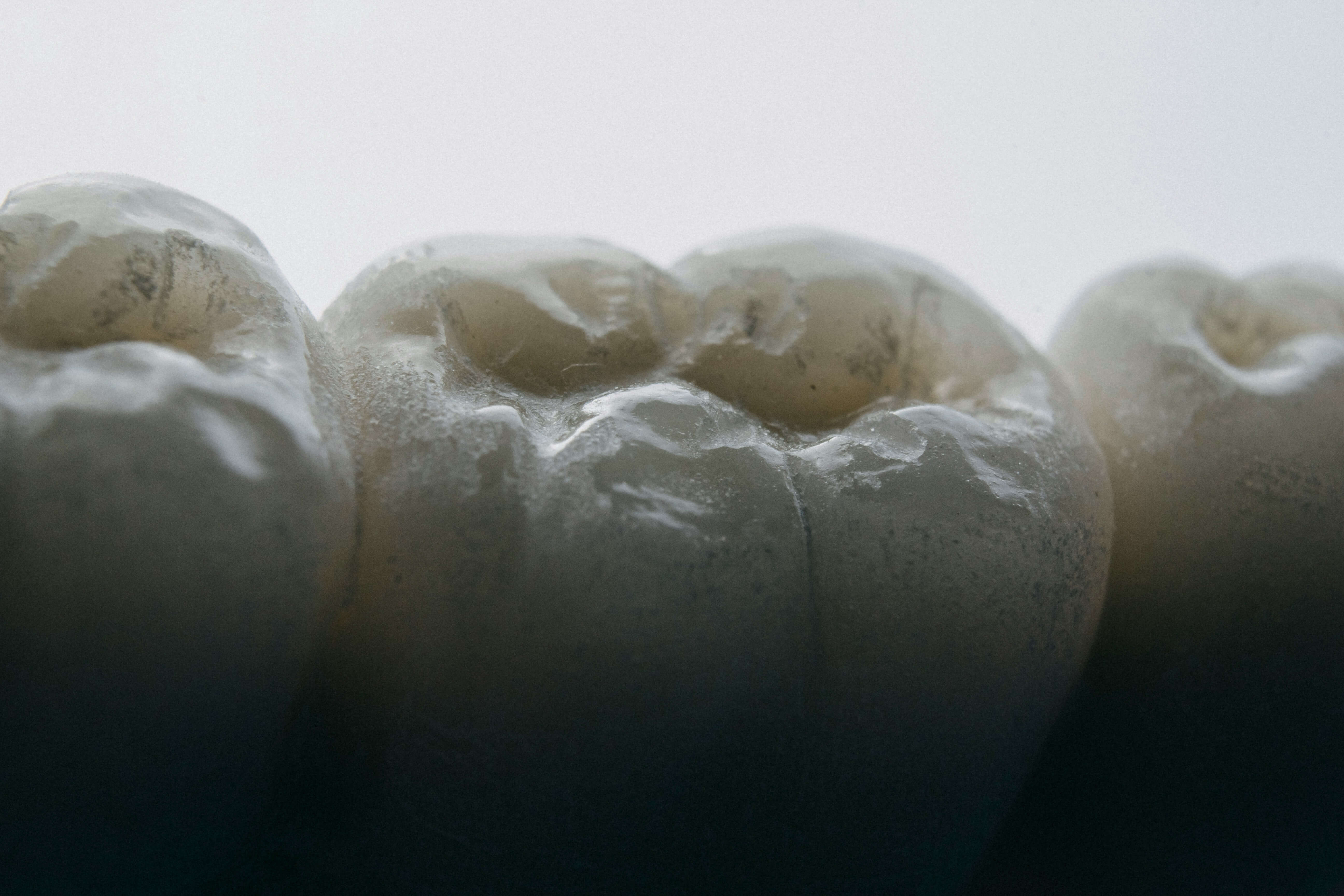
When a tooth is cracked, decayed, or has a large old filling, the answer is not automatically to remove more tooth for a crown. We first ask how much healthy structure can safely be preserved.
Rise approach
Least invasive predictable option first.
The decision patients actually face
Smaller areas of decay or damage
When enough healthy tooth remains, a bonded filling may restore the area without removing more tooth than necessary.
Larger weakened areas
When a tooth needs more support than a filling but does not automatically need a full crown, a bonded partial-coverage restoration may be considered.
More severe structural loss
Sometimes a crown really is the safest option. Biomimetic care is not about avoiding crowns at all costs. It is about using the least invasive predictable option.
Why Rise
We use photos and imaging so you can see the problem with us.
We plan around healthy tooth structure, not just the procedure name.
We consider bite, cracks, old dental work, esthetics, and long-term risk.
We use careful isolation and adhesive technique when bonding is indicated.
If the tooth truly needs a crown, root canal, or another treatment, we tell you clearly.
What to expect
01
Photos, x-rays, existing restorations, cracks, decay, symptoms, and your bite all matter before we decide what the tooth needs.
02
You should be able to understand why a filling, onlay, crown, or another option is being recommended.
03
When clinically appropriate, the preparation is designed around the damaged part of the tooth rather than automatically removing healthy structure for a larger restoration.
04
Moisture control, adhesive technique, material selection, and attention to the bite all matter to the final restoration.
05
We check your bite, home-care risks, clenching or grinding, and maintenance needs so the restoration fits into the bigger picture.
Common questions
Maybe. Some teeth truly need full coverage, while others may be candidates for a bonded filling, onlay, or overlay. The answer depends on how much healthy tooth remains, where the cracks or decay are, the bite, symptoms, and the existing restoration.
Sometimes earlier and more conservative treatment may help preserve more tooth and reduce unnecessary stress on the pulp, but it cannot guarantee that a root canal will be avoided. If the nerve is already irreversibly inflamed or infected, endodontic treatment may still be necessary.
No. It means we do not automatically choose the largest restoration. If a crown is the most predictable option for the tooth, we will explain why.
Comfort depends on the procedure and the condition of the tooth. We use local anesthetic when needed and explain what to expect before treatment.
A bonded filling may be completed in one visit. More complex onlays, overlays, or crowns may require additional planning or visits depending on the case.
Fees depend on the restoration and complexity. A smaller bonded restoration may cost less than a larger indirect restoration, while advanced adhesive procedures can require more time and materials. We review fees before treatment.
No restoration lasts forever. Longevity depends on the tooth, restoration size, bite forces, clenching, material, home care, diet, and maintenance. Our goal is to choose the most conservative predictable option for the situation.
Often they can be reevaluated with a tooth-preservation approach. What replaces an old restoration depends on how much healthy tooth remains after the old material, decay, cracks, or damaged structure are addressed.
Already have a treatment plan?
Bring your x-rays or treatment plan. We will evaluate the tooth, show you what we see, and explain the most conservative appropriate options.